Recycling in King County sounds simple, but many residents are unsure what belongs in the bin and what does not. Rules change, materials vary, and improper recycling can lead to contamination that sends entire loads to the landfill. That is why having a clear and updated King County recycling guide makes everyday cleanup easier and more effective.
This King County recycling guide breaks down how recycling works in the area, what materials are accepted, common mistakes to avoid, and how homeowners can recycle responsibly while keeping their homes clutter free. Whether you are handling weekly trash pickup or planning a larger cleanout, following a reliable King County recycling guide helps you stay compliant and environmentally responsible.
So, let’s get started.
Table of Contents
Why Recycling Matters In King County?
King County places a strong focus on environmental responsibility and waste reduction. With a growing population and limited landfill space, proper recycling helps reduce waste while conserving natural resources. Recycling also lowers energy use and cuts down on pollution created by manufacturing new materials.
Following a reliable king county recycling service guide helps residents avoid contamination, reduce landfill waste, and support local sustainability goals. Small changes in daily habits can make a meaningful impact when followed consistently across households.
How Recycling Works In King County
Recycling in King County operates on a mixed recycling service. This means many recyclable materials can be placed in the same bin, but they still must meet specific guidelines.
Once collected, recyclables are sorted at processing facilities. Contaminated items such as food waste or plastic bags can disrupt sorting equipment and reduce the quality of recycled materials. Understanding what belongs in the bin is essential to keeping the system efficient.
What You Can Recycle In King County?
Knowing what is accepted is one of the most important parts of any king county recycling guide.
Paper And Cardboard
Clean paper, newspapers, magazines, mail, and flattened cardboard boxes are recyclable. Boxes should be free of food residue and packing materials.
Plastic Containers
Plastic bottles, jugs, tubs, and containers labeled with accepted recycling symbols can go in the recycling bin. Containers should be empty and rinsed before disposal.
Metal Cans
Aluminum and steel cans are recyclable and should be emptied and lightly rinsed. Labels do not need to be removed. Flattening cans can save space, but it’s optional. Avoid placing cans with leftover liquids or food, as this can contaminate other recyclables.
Glass Bottles And Jars
Glass bottles and jars are accepted in most King County recycling programs. Containers should be emptied, and lids removed before recycling. Rinsing them lightly helps prevent contamination and keeps other recyclables clean.
What Does Not Belong In Recycling Bins?
One of the biggest issues in King County recycling is contamination. Certain items should never be placed in recycling bins.
Plastic bags and plastic wrap jam sorting machines must be taken to designated drop-off locations in Enumclaw. Food-soiled items, greasy pizza boxes, and disposable utensils are not recyclable. Electronics, batteries, and hazardous waste also require special disposal methods through approved facilities serving the Enumclaw area.
Avoiding these items helps keep recycling loads in Enumclaw clean and usable.
Recycling Large Items And Bulky Waste
Bulky items like sofas, refrigerators, washing machines, mattresses, and large cabinets cannot be placed in standard recycling bins. These items are too large for regular collection systems and often contain mixed materials that must be separated before recycling.
For example, homeowners in Auburn managing garage cleanouts should arrange proper pickup instead of leaving large waste at the curb. Responsible disposal keeps neighborhoods clean and compliant with local regulations.
Safe Disposal And Recycling Options
Appliances may contain refrigerants or electrical components that need careful removal before recycling. Mattresses and furniture can often be partially recycled when handled by trained professionals.
Residents in Bonney Lake planning home renovations should check approved disposal options to avoid landfill overuse. Proper sorting helps recover metal, wood, and reusable materials.
Preventing Illegal Dumping
Improper disposal of bulky waste can lead to environmental harm and fines. In growing communities like Maple Valley, responsible waste management protects public spaces and keeps recycling systems efficient.
Scheduling removal instead of dumping large items illegally supports long term sustainability efforts.
Professional Bulky Item Removal
If you are handling a move or estate cleanout, working with professionals like Classic Cleanouts LLC ensures bulky items are removed properly. Their team understands recycling requirements and sorts materials carefully.
Homeowners in Covington and Seattle can rely on organized removal services that prevent illegal dumping and support responsible recycling throughout the community.
Recycling During Home Cleanouts And Renovations With Classic Cleanouts LLC
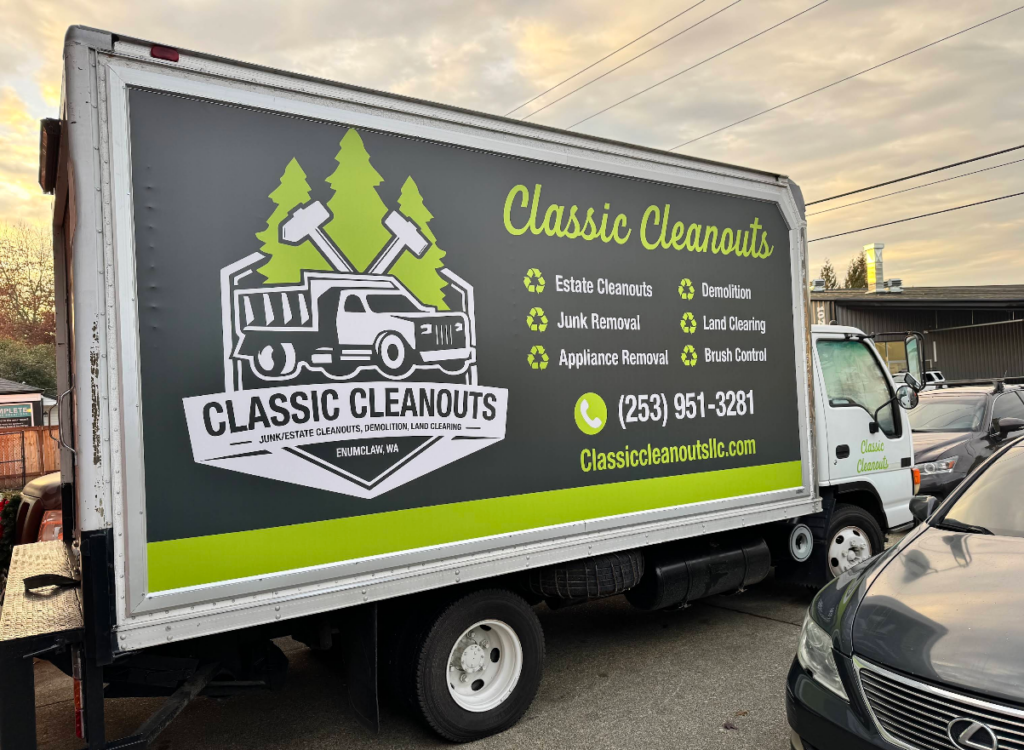
Cleanouts and renovations create a mix of recyclable and non-recyclable materials. Wood, metal, cardboard, and some plastics can be recycled if sorted properly. Classic Cleanouts LLC helps homeowners manage this efficiently while reducing landfill waste.
- Sort materials effectively – Separate recyclables like wood, metal, cardboard, and plastics
- Safe disposal – Prevent contamination of recyclables
- Expert guidance – Staff advise on what can and cannot be recycled
- Handle large projects – Manage bulky items and construction debris
- Eco-friendly practices – Deliver recyclables to proper processing facilities
Classic Cleanouts makes recycling during cleanouts and renovations simple, safe, and environmentally responsible.
Common Recycling Mistakes King County Residents Make
Even well-intentioned recyclers can make mistakes that negatively impact the recycling system. Being aware of these issues helps reduce contamination and keeps materials recyclable. Common mistakes include placing recyclables inside plastic bags instead of loose in the bin, failing to rinse food and beverage containers, and mixing non-recyclable plastics with accepted recyclable materials.
Residents also often place food-soiled items like greasy pizza boxes in recycling bins or recycle items based on hope rather than checking local guidelines, a practice known as “wish-cycling.” Including plastic wrap, disposable utensils, or Styrofoam, as well as overfilling bins especially during large cleanups associated with junk removal services, house cleanout services, or demolition services can lead to spillage and improper sorting at recycling facilities.
Being mindful of these common mistakes helps improve recycling efficiency and supports King County’s waste reduction and sustainability goals.
Why Local Recycling Knowledge Makes A Difference?
Recycling rules can vary by location, and what is accepted in one area may not be accepted in another. That is why following an accurate King County recycling guide is essential for residents who want to recycle correctly and avoid contamination.
Local knowledge ensures homeowners understand the specific guidelines for King County programs. Working with experienced cleanout and recycling professionals, along with using a reliable King County recycling guide, helps simplify waste removal, reduce confusion, and support better recycling outcomes across the community.
How To Make Recycling Easier At Home?
Setting up a simple system at home helps recycling become a habit rather than a chore. Small, consistent steps can greatly improve recycling success.
- Use clearly labeled bins for recycling, trash, and compost to reduce confusion
- Place recycling bins in high-traffic areas like the kitchen or garage for easy access
- Rinse containers immediately after use to prevent food contamination
- Flatten cardboard boxes to save space and improve collection efficiency
- Keep a printed or digital King County recycling guide nearby for quick reference
- Avoid “wish-cycling” by checking guidelines instead of guessing
Recycling And Sustainability In King County Communities?
King County communities continue to expand recycling education and sustainability programs to improve long term environmental impact. Following a clear King County recycling guide helps residents understand how their everyday actions contribute to these larger sustainability efforts.
Participation from homeowners is key to the success of these programs. By using a trusted King County recycling guide and recycling correctly, residents reduce landfill pressure, conserve valuable resources, and support regional environmental goals. Responsible recycling also sets a strong example for future generations and strengthens community wide sustainability efforts.
FAQs
What Is Included In The King County Recycling Guide?
The King County recycling guide covers accepted recyclable materials, items to avoid, and best practices for proper recycling. It also explains when house cleanout services, junk removal services, or dumpster rental services may be needed for larger or non-recyclable items.
Do I Need To Rinse Containers Before Recycling?
Yes. Containers should be empty and lightly rinsed to prevent contamination. This helps recycling facilities process materials efficiently and reduces the need for additional junk removal services.
Are Plastic Bags Recyclable In King County?
Plastic bags should not be placed in curbside recycling bins. They must be taken to designated drop-off locations. Improper disposal often leads to contamination and increases reliance on junk removal services.
Can I Recycle Cardboard With Tape On It?
Small amounts of tape are acceptable, but excessive tape or food residue should be removed. Cardboard from house cleanout services or dumpster rental services should be sorted and kept clean for recycling.
How Do I Recycle Large Household Items?
Large items like furniture, appliances, and mattresses cannot go in standard recycling bins. These items often require junk removal services, house cleanout services, or demolition services to ensure proper recycling or disposal.
What Happens If I Recycle The Wrong Items?
Recycling contamination can cause entire loads to be sent to landfills. This creates additional waste and increases the need for corrective services such as junk removal or dumpster rental services.
Is Recycling Mandatory In King County?
Recycling is strongly encouraged and supported through local programs. During renovations, cleanouts, or remodeling projects, combining proper recycling with demolition services, house cleanout services, or dumpster rental services helps homeowners stay compliant and reduce landfill waste.
Conclusion
Recycling in King County does not have to be confusing. Following a clear and updated King County recycling guide helps residents recycle correctly, reduce contamination, and support long term sustainability efforts. When you understand what belongs in the bin and what does not, your daily recycling habits make a measurable impact.
Whether you are managing routine household waste or planning a larger cleanout, using a reliable King County recycling guide ensures responsible disposal and environmental protection. With the right knowledge, clear guidelines, and proper support, King County residents can recycle with confidence while keeping their communities clean and organized.